
Polska 2022 | 48'
reżyseria: Marek Osajda
scenariusz: Marek Osajda
zdjęcia: Bartosz Jurgiewicz, Kiryk Drewinski, Marek Osajda
montaż: Bartosz Jurgiewicz
Lex Drewinski w Kosmosie - Lex Drewinski's Cosmos
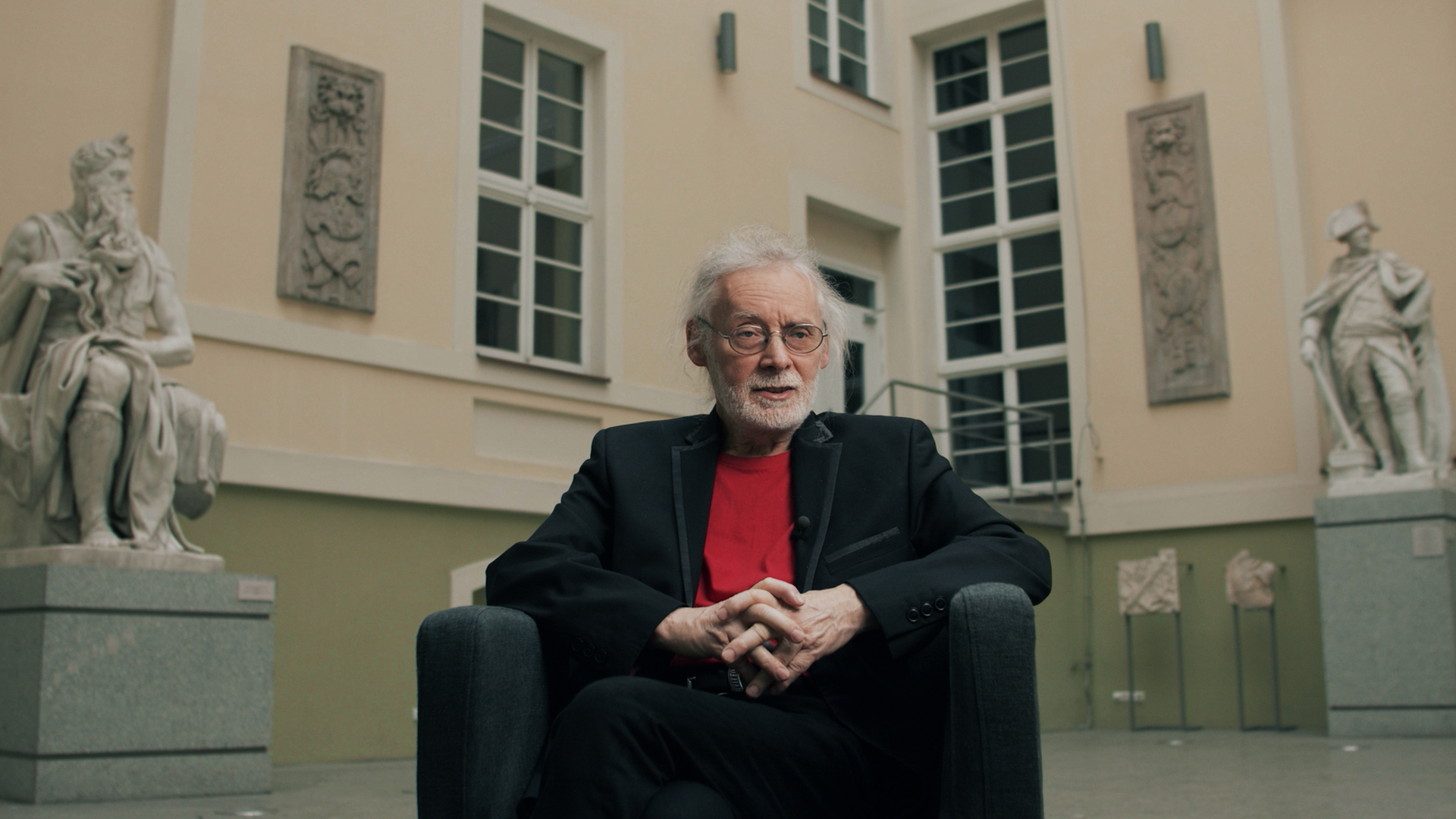
Znamy jego plakaty. Mijamy je na ulicy, ale nie znamy ich autora. To Lex Drewinski, który już jako młody chłopiec zakochał się w kinie i plakacie. A po latach otrzymał ponad dwieście nagród na międzynarodowych i krajowych festiwalach.
W jego domu rodzinnym sztuka była tematem codziennych rozmów. " Na śniadanie sztuka, na obiad sztuka i na kolację sztuka". Od zawsze wiedział, że będzie się nią zajmował zawodowo. Całe kieszonkowe wydawał na bilety. Potrafił oglądać nawet kilka filmów dziennie. Najczęściej chodził do premierowego kina "Kosmos", w pobliżu domu. Czekając na seanse przyglądał się plakatom, które je zapowiadały. Fascynowały go tak jak filmy.
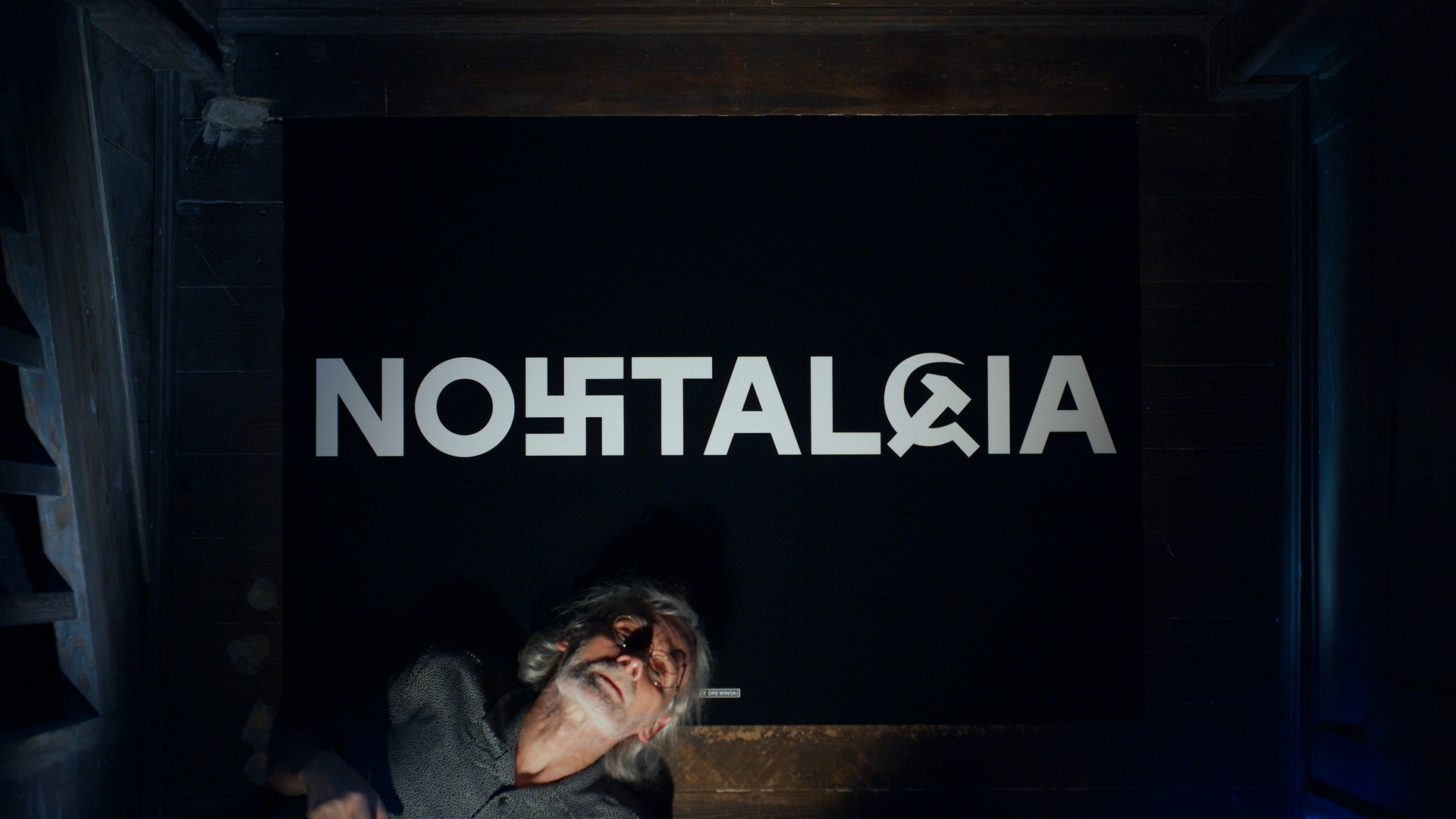
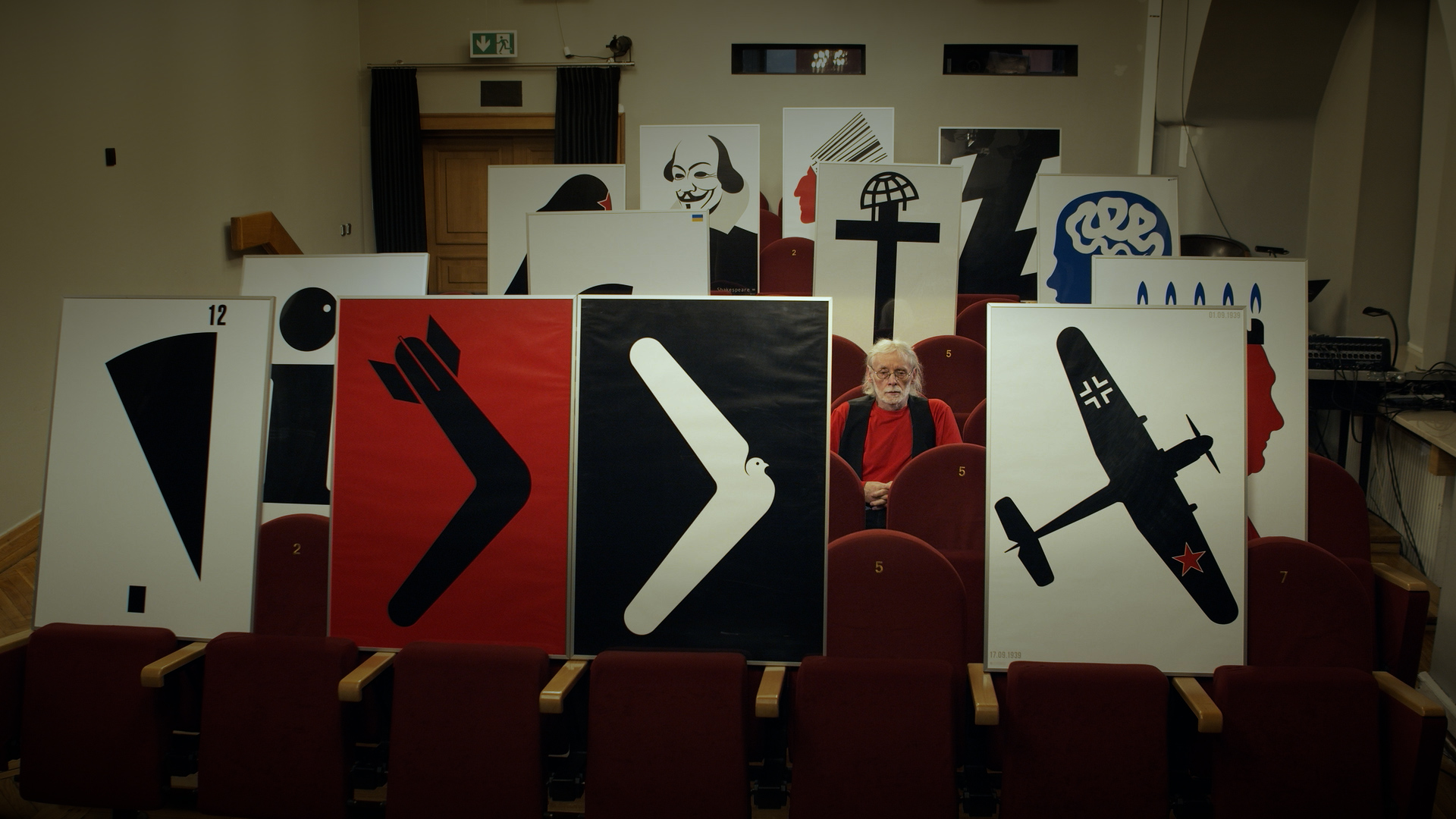
Stan wojenny, zamknięte granice, duszna atmosfera i brak perspektyw. Lex Drewiński podjął decyzję o ucieczce do Berlina Zachodniego. Nie znał języka, nie miał pieniędzy, ale miał talent, pomysły i wizję swojej drogi artystycznej. Innej od innych. Jego pozornie przewrotne motto „odejmować znaczy dodawać ”oznacza maksymalny skrót i to on daje plakatom profesora niezwykłą moc.
Po wygraniu konkursu na profesurę w Fachhochschule w Poczdamie Lex Drewinski kierował Pracownią Projektowania Graficznego, a jego studenci zdobywali nagrody. Także na festiwalach filmowych.
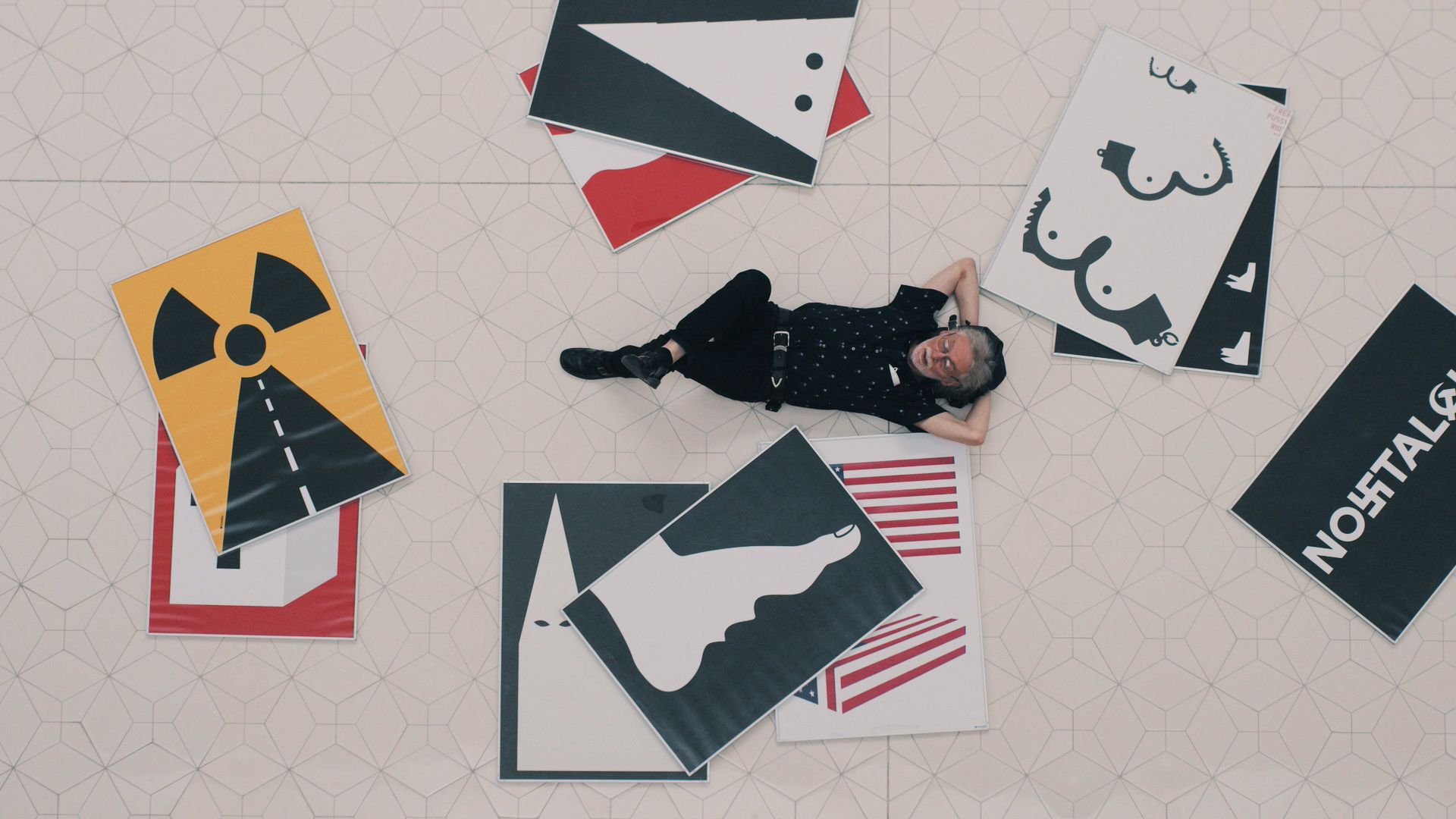
Większość prac Lexa Drewinskiego pokazuje „ułomności” naszego świata. Nienawiść, agresję, pychę, niesprawiedliwość, okrucieństwo i wojnę. Profesor wojny nie zaznał, ale jest ona głównym tematem jego prac. Uważa, że jesteśmy jej blisko. Bliżej, niż za pięć dwunasta, a może już po...?. Kosmos Lexa Drewinskiego to nie tylko jego dawne, ulubione kino.
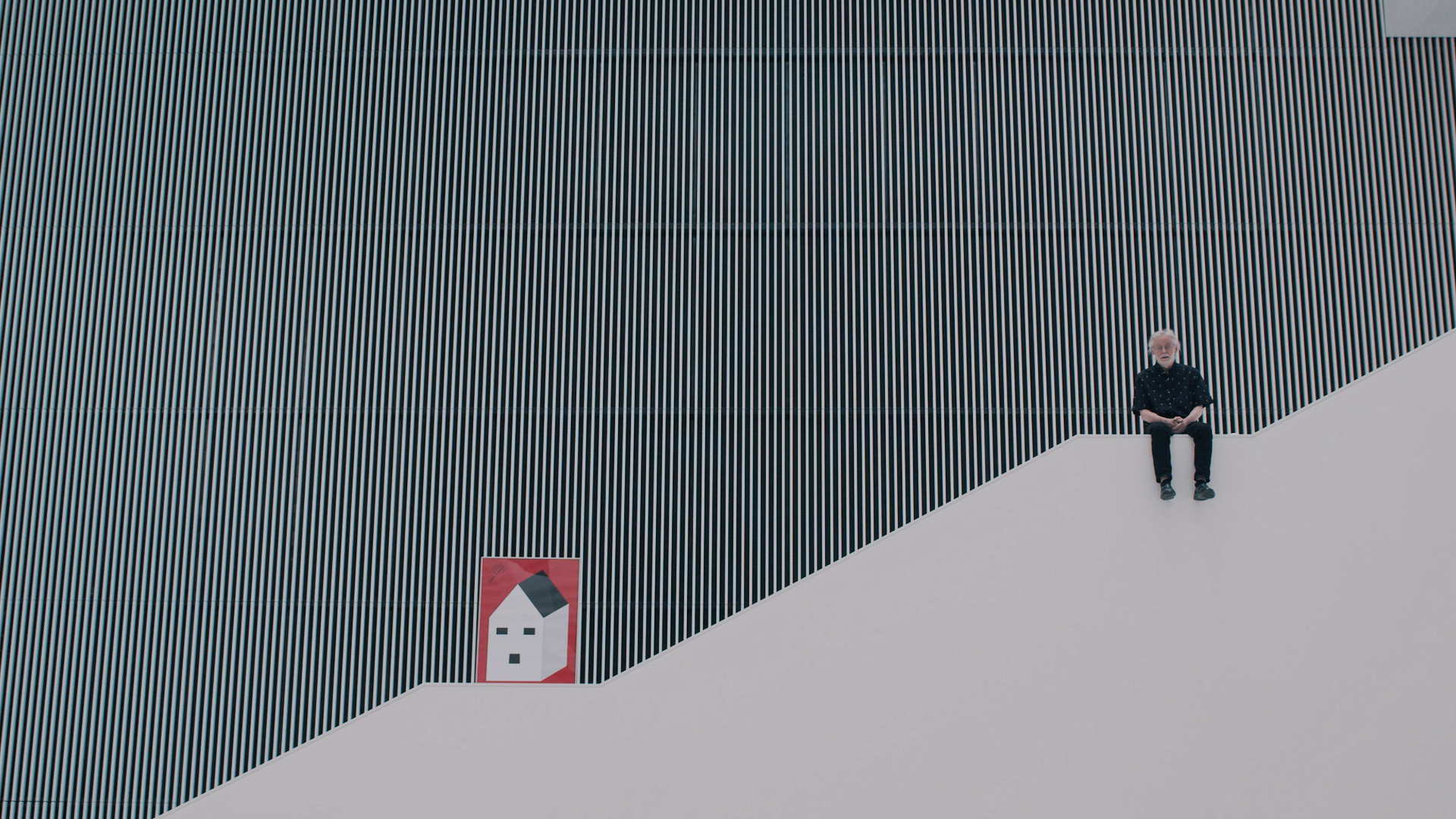
Opowieści bohatera filmu towarzyszą plakaty. Jak i dlaczego powstawały. I jak splatały się z jego życiem. Plakatom nie są potrzebne słowa, mogą być zrozumiane wszędzie.
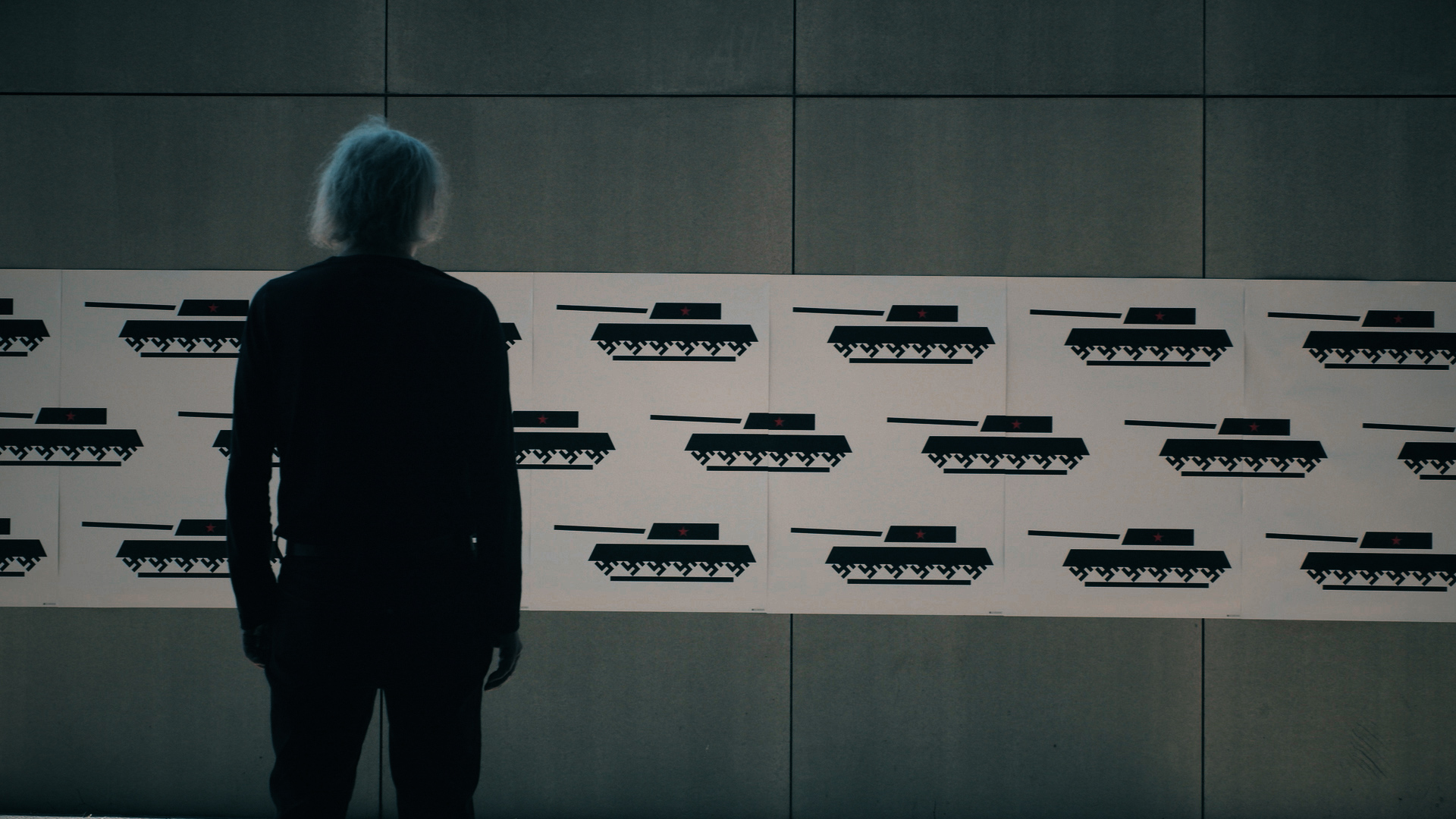
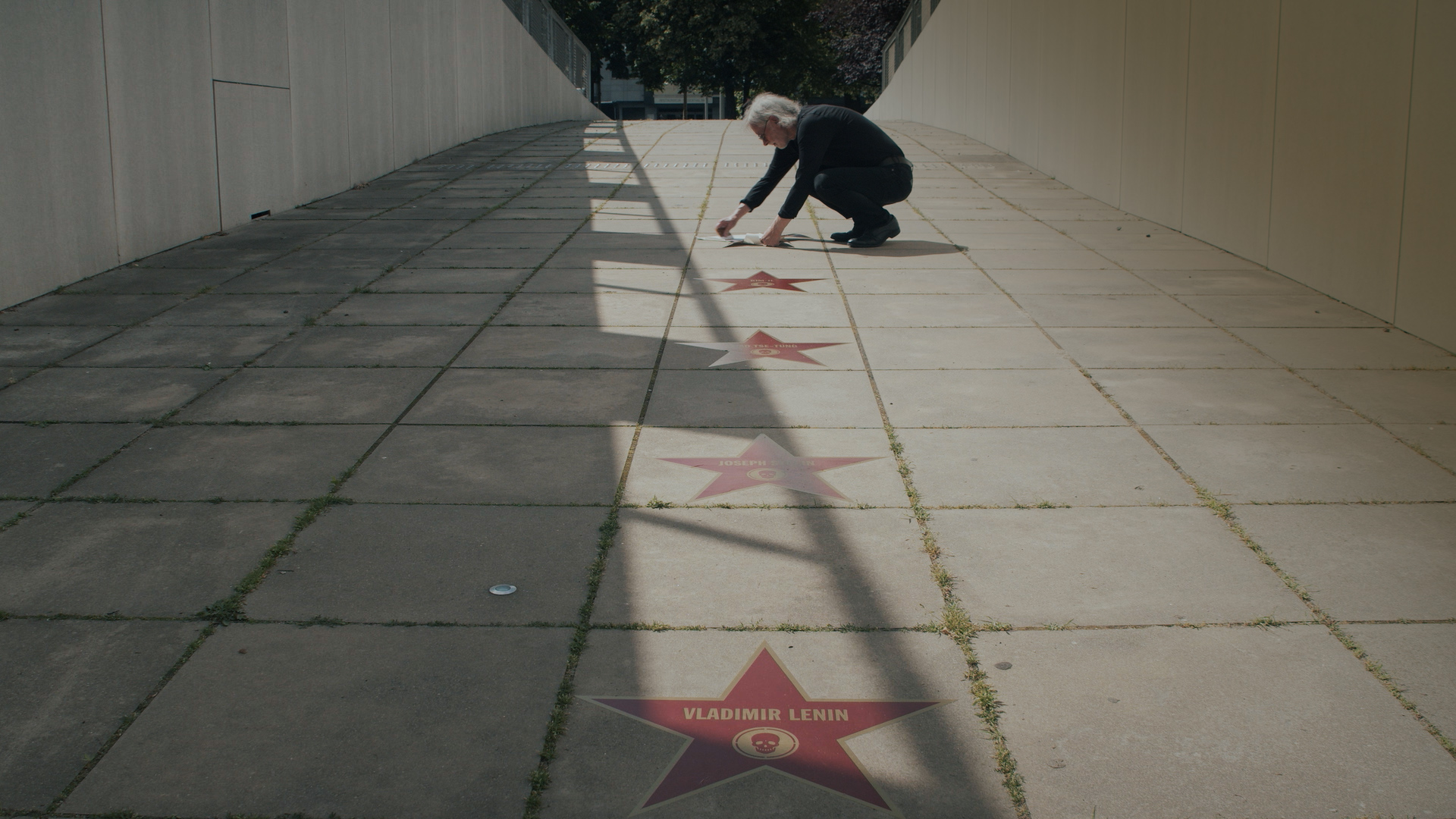
Ściana Centrum Dialogu Przełomy, na pl. Solidarności w Szczecinie. Na plakatach czołgi z gąsienicami w kształcie faszystowskich krzyży, a na ich wieżach czerwone gwiazdy. A potem na ekranie widzimy jak na drodze prowadzącej do Centrum profesor przykleja do płyt duże gwiazdy z nazwiskami komunistycznych dyktatorów. Lenin, Stalin, Ceausescu, Kim Ir Sen, Putin. Nazwał ją „ Aleją wstydu”. Na jej końcu pojawia się gwiazda z wymownym znakiem zapytania...
We all know his posters. We pass them on the streets, but we don’t know who their author is. It’s Lex Drewinski, who fell in love with cinema and poster art as a young boy. During his career, he won more than two hundred national and international awards.
At his family home, art was a day-to-day topic. At breakfast, at dinner and at supper. Art was the children’s life. Lex Drewinski always knew he would be a professional artist some day. He used to spend all of his pocket money to buy cinema tickets. He could watch a couple of movies a day. Mostly, he would go to the nearby „Cosmos” cinema, which hosted lots of openings. In the lobby, he studied all the movie posters. He was fascinated by them, too.
The time of martial law in Poland (1981-1983) meant closed borders, a stuffy atmosphere and lack of prospects. Lex escaped to West Berlin. He didn’t know the language, didn’t have any money, but he had talent, ideas and a vision of his artistic way. His unique way. As he ironically says: „To take away from a poster means to add”. Lex Drewinski always aims for compression, and that makes his works very powerful.
After winning the competition for a professorship at the Potsdam Fachhochschule (University of Applied Sciences), Lex Drewinski became the head of the Graphic Design Lab. His students received many rewards, including film festival ones.
Professor Lex Drewinski mainly shows the weak sides of our world: hatred, aggression, arrogance, unjustice, cruelty and wars. The professor didn’t survive a war, but war is his favourite subject. Nowadays, he thinks we are threatened by an upcoming war. It might be the eleventh hour or even later, he says. „Lex Drewinski’s Cosmos” means something more than merely his favourite cinema theater.
Professor Lex Drewinski tells the story of his life, and the camera shows his posters. We can learn how they were created and why. And how they are connected to his life. Posters don’tneed words, they can be understood all over the world.
The Dialogue Centre „Upheavals” on Solidarity Plaza in Szczecin - Lex Drewinski’s posters show tanks with svastikas in place of wheels and red stars. Under these posters, Professor decorates the pavement leading to the Centre with red stars. On every star, there’s a name of a communist dictator: Lenin, Stalin, Ceausescu, Kim Il-Sung, Putin. The professor called it a „Walk of Shame”. The last star has no name on it, just a question mark.